

Diverse Perspectives
Cultural Sensitivity: Leverage the diversity of SMEs to ensure cultural sensitivity in training content. Consider regional nuances, language preferences, and cultural norms when developing materials. Global Relevance: Engage SMEs from different regions to provide insights into global trends and practices, ensuring that the training content is relevant on a worldwide scale.

Effective Communication
Clear Communication Channels: Establish clear communication channels to facilitate collaboration among global SMEs. Leverage technology, such as video conferencing and collaboration platforms, to bridge geographical gaps. Language Considerations: Ensure that language barriers are addressed, and communication is conducted in a way that accommodates various language preferences.

Collaborative Technology
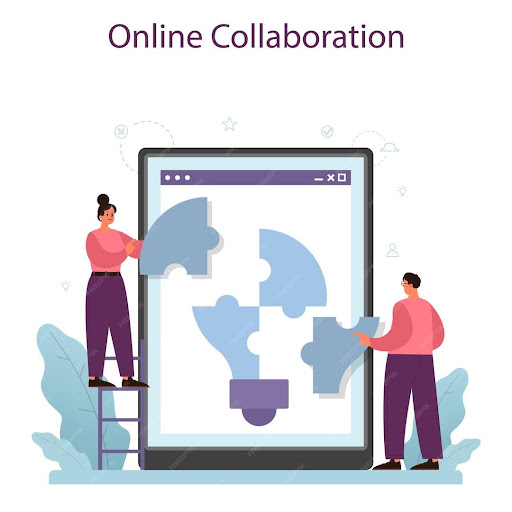
Virtual Collaboration Tools: Utilize virtual collaboration tools and platforms that allow global SMEs to work together seamlessly. This includes document sharing, project management, and real-time communication tools. Online Workspaces: Create online workspaces where SMEs can access and contribute to training materials at their convenience, regardless of time zone differences.

Global Needs Assessment
Diverse Learner Needs: Conduct a comprehensive needs assessment that takes into account the diverse needs of a global audience. Input from SMEs representing different regions can help identify specific learning requirements. Localization Considerations: Consider the need for localization of training content, taking into account language, cultural differences, and regional variations in regulations or practices.
Expertise Alignment
Matching Expertise to Regions: Ensure that the expertise of global SMEs aligns with the regions or topics they are contributing to. This alignment enhances the credibility and relevance of the training content. Cross-functional collaboration: Encourage collaboration among SMEs with diverse expertise to provide a holistic perspective on the subject matter.

Establishing Guidelines
Content Standards: Develop clear content development guidelines and standards to maintain consistency across contributions from different SMEs. Quality Assurance Processes: Implement quality assurance processes to review and validate the accuracy and appropriateness of content provided by global SMEs.
Training for SMEs
Onboarding Process: Provide a comprehensive onboarding process for SMEs to familiarize them with the goals, expectations, and collaborative tools. This includes training on any technology platforms used for content development. Guidance on Cultural Sensitivity: Offer guidance on cultural sensitivity to ensure that SMEs are aware of and respectful of cultural differences in the target audience.

Regular Communication and Feedback
Regular Check-Ins: Schedule regular check-ins with global SMEs to discuss progress, address concerns, and provide feedback. This fosters a sense of collaboration and community. Feedback Mechanisms: Establish feedback mechanisms that allow SMEs to provide input on the overall content development process and make continuous improvements.

Recognition and Acknowledgment
Acknowledgment: Recognize and acknowledge the contributions of global SMEs in the final training materials. This can include attributions, certificates, or other forms of acknowledgement to demonstrate appreciation.

Legal and Compliance Considerations
Data Protection: Ensure compliance with data protection and privacy regulations when sharing information among global SMEs. Contracts and Agreements: Establish clear contractual agreements outlining responsibilities, intellectual property rights, and any other legal considerations. By effectively harnessing the expertise of a global network of SMEs from SAC’s global network, organizations can develop training content that is rich, relevant, and reflective of global perspectives. Building a collaborative and communicative environment ensures that the contributions from SMEs enhance the overall quality of the training materials.