

Cost Savings
Reduced Overheads: Outsourcing can lead to significant cost savings by eliminating the need for in-house development teams, infrastructure, and ongoing maintenance costs. Access to Global Talent: Organizations can tap into a global pool of skilled instructional designers, e-learning developers, and multimedia experts without the expenses associated with hiring and retaining full-time employees.
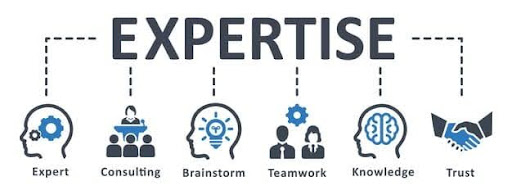
Expertise and Specialization
Access to Specialized Skills: Outsourcing allows organizations to work with professionals who specialize in e-learning development, instructional design, multimedia production, and other specific skills. Latest Technologies and Trends: External development teams often stay abreast of the latest technologies and trends in e-learning, ensuring that your training modules are modern and effective.
Faster Development Timelines
Dedicated Resources: Outsourcing providers can dedicate focused and specialized teams to your project, often resulting in quicker development timelines compared to in-house teams juggling multiple responsibilities. Rapid Scalability: Outsourcing partners can quickly scale up or down based on project requirements, allowing for flexibility in meeting tight deadlines or handling large-scale projects.
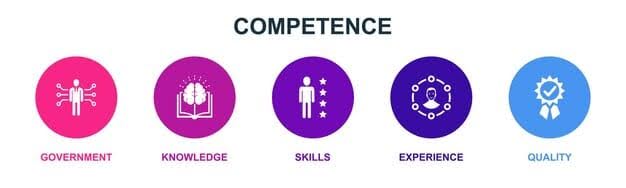
Focus on Core Competencies
Core Business Focus: Outsourcing learning module development allows organizations to concentrate on their core business functions without getting bogged down by the intricacies of e-learning content creation. Strategic Initiatives: In-house teams can focus on strategic initiatives and core business objectives while leaving the development of training content to external experts.

Quality Assurance
Quality Control Measures: Reputable outsourcing partners often have established quality control measures in place, ensuring the delivery of high-quality and error-free learning modules. User-Centric Design: Outsourcing providers with experience in instructional design can create content that aligns with adult learning principles and is engaging for the target audience.

Scalability and Flexibility
Adaptability to Changes: Outsourcing partners can quickly adapt to changes in project scope, scale, or requirements, providing the flexibility needed in dynamic business environments. Access to Diverse Perspectives: Outsourced teams may bring diverse perspectives and best practices from different industries and regions, enriching the development process.

Risk Mitigation
Reduced Project Risks: Outsourcing providers often have experience in managing e-learning projects, reducing the risk of project delays, scope creep, or unforeseen challenges. Contractual Agreements: Well-defined contracts and service level agreements (SLAs) help mitigate risks and provide a clear understanding of project expectations.

Technological Advancements
Access to Advanced Tools: Outsourcing partners may have access to cutting-edge authoring tools, multimedia software, and e-learning platforms that might be expensive for organizations to invest in independently. While outsourcing offers various benefits, it's crucial to select a reliable partner and establish clear communication channels to ensure that the learning modules meet your organization's specific needs and standards. Regular collaboration and feedback mechanisms are essential for a successful outsourcing relationship.