

1. Needs Analysis
Identify Objectives: Define the learning objectives and goals. Understand what knowledge or skills learners need to acquire. Assess Audience Needs: Analyze the characteristics and needs of the target audience, considering factors such as prior knowledge, learning preferences, and skill levels.

2. Design Planning
Define Scope: Clearly outline the scope of the learning content, including the topics to be covered and the depth of coverage. Instructional Design Model: Choose an instructional design model or methodology that aligns with the learning goals and audience needs.

3.Outline & Storyboarding
Content Structure: Develop a detailed outline of the content, organizing it into logical sections or modules. Storyboard Creation: Create a visual representation of the content flow, including text, multimedia elements, and interactive features.

4. Content Development
Creation of Text and Media Elements: Develop written content, graphics, videos, simulations, and other multimedia elements. Collaboration with Subject Matter Experts (SMEs): Work closely with SMEs to ensure the accuracy and relevance of the content.

5. Prototype Creation
Develop a Prototype: Create an initial version of the learning module or course to gather feedback and make necessary revisions. Review and Iteration: Seek input from stakeholders, including learners and SMEs, and iterate on the prototype based on feedback.

6. Course Authoring
Use Authoring Tools: Leverage e-learning authoring tools to build the actual course or module, incorporating multimedia elements and interactive features. Programming (if applicable): For more complex e-learning solutions, programming may be involved in creating interactive simulations or scenarios.
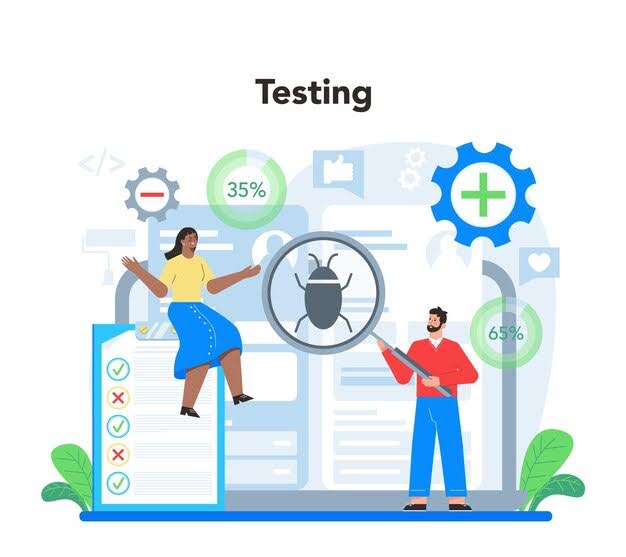
7. Quality Assurance (QA) and Testing
Review for Errors: Conduct a thorough review of the content for grammatical errors, technical glitches, and inaccuracies. User Testing: Pilot the content with a small group of learners to identify any usability issues or areas for improvement.

8. Implementation and Deployment
LMS Integration: Integrate the learning content with the Learning Management System (LMS) or other delivery platforms. Launch Strategy: Plan and execute the deployment strategy, considering factors such as access control, distribution, and communication with learners.

9. Monitoring and Evaluation
Usage Analytics: Monitor learner engagement, progress, and completion rates using analytics tools integrated with the LMS. Feedback Collection: Gather feedback from learners and stakeholders to assess the effectiveness of the learning content.

10. Revision and Updates
Continuous Improvement: Based on feedback and analytics, make necessary revisions and updates to keep the content current and effective. Adaptation to Changes: Update content in response to changes in technology, regulations, or industry best practices.
11. Retirement or Archiving
Assessment of Relevance: Periodically assess the relevance and effectiveness of the learning content. Archiving or Retirement: Archive or retire outdated content, replacing it with updated or more relevant material.