

1. Learner Progress and Engagement
Completion Rates: Track the percentage of learners who complete courses to assess overall engagement. Time Spent: Analyze the time learners spend on each module or course to identify areas of high or low engagement. Access Patterns: Monitor when learners access the LMS, identifying peak usage times and potential issues.
2. Assessment and Quiz Results
Individual Performance: Analyze individual learner performance on assessments to identify strengths and weaknesses. Question Analysis: Evaluate the performance on specific questions to improve the quality of assessment content.
3. Course Effectiveness
Course Ratings and Feedback: Gather feedback from learners through ratings and comments to assess the effectiveness of courses. Learning Objectives Achievement: Measure how well learners are meeting the predefined learning objectives of each course.
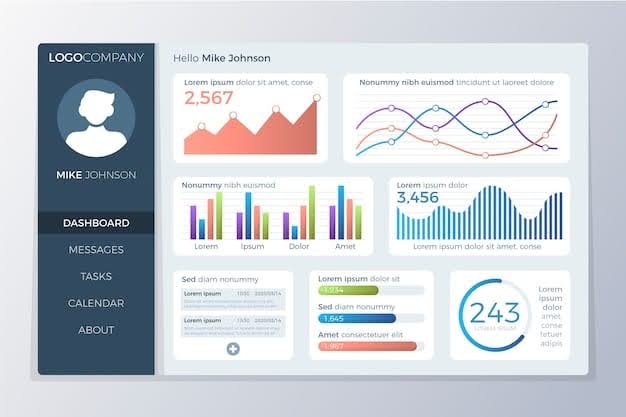
4. User Demographics
User Profiles: Collect and analyze demographic information to understand the characteristics of the learner population. Geographical Data: If applicable, analyze the geographical distribution of learners to tailor content to regional needs.

5. Resource Utilization
Content Access: Identify the most accessed resources and materials to understand learner preferences. Media Consumption: Track the usage of different types of media (videos, documents, interactive elements) to optimize content delivery.
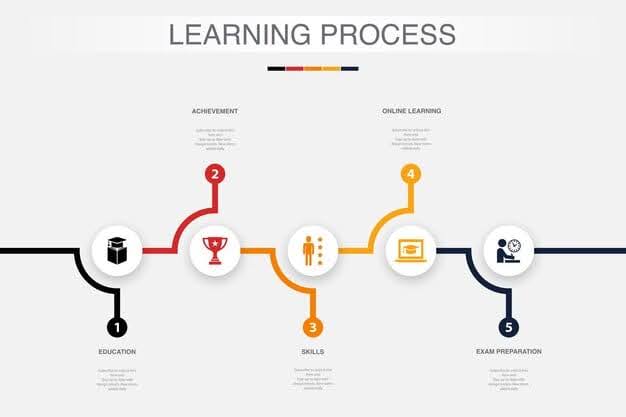
6. Learning Path Analysis
Progression Tracking: Monitor the progression of learners through predefined learning paths or curricula. Prerequisite Understanding: Assess whether learners are adequately prepared for subsequent modules or courses.

7. Customized Learning Paths
Adaptive Learning: Use analytics to personalize learning paths based on individual progress and performance. Recommendation Engine: Implement algorithms that suggest additional courses or resources based on a learner's history.
8. Compliance and Certification
Compliance Tracking: Ensure that learners are meeting regulatory or compliance training requirements. Certification Tracking: Monitor progress toward certifications and assess the success rate of certification exams.

9. User Feedback and Surveys
Post-Training Surveys: Gather feedback through surveys to measure overall satisfaction and identify areas for improvement. Net Promoter Score (NPS): Assess the likelihood of learners recommending the training program to others.
10. Integration with HRMS and Performance Data
Linking with HRMS Data: Integrate LMS analytics with HR systems to correlate training data with employee performance and career progression. Identifying Skill Gaps: Use analytics to identify skill gaps and inform talent development strategies.

11. Data Security and Compliance
Data Privacy: Ensure that analytics processes comply with data privacy regulations and protect sensitive learner information. Security Audits: Regularly audit and assess the security measures in place to protect LMS data.