

1. Technology Requirements
Ensure that participants have access to the necessary technology for online learning. Consider the technical skills and infrastructure needed to support online components. Usually, a stable network, with good data and Android phones, will do!
2. Consistent Communication
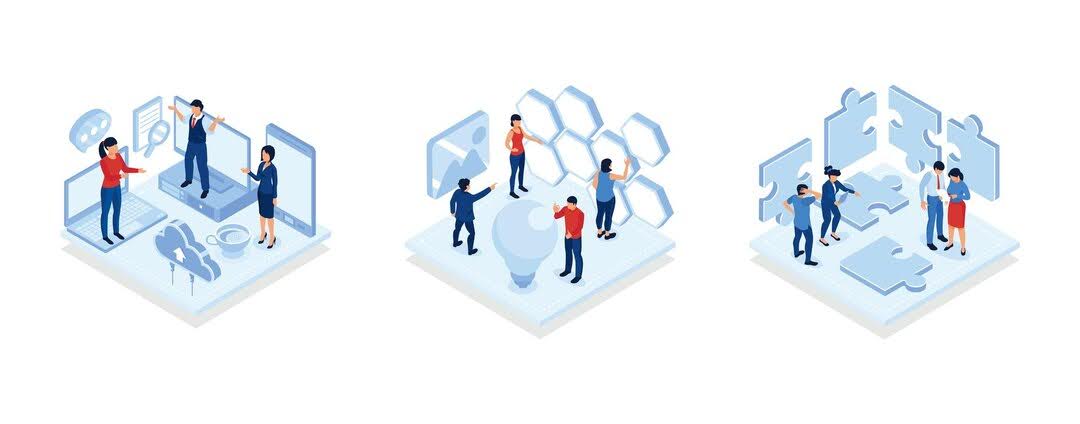
Maintain clear communication channels to keep participants informed about both online and offline aspects of the training. Provide a schedule and guidelines for seamless transitions between modes.
3. Resource Integration
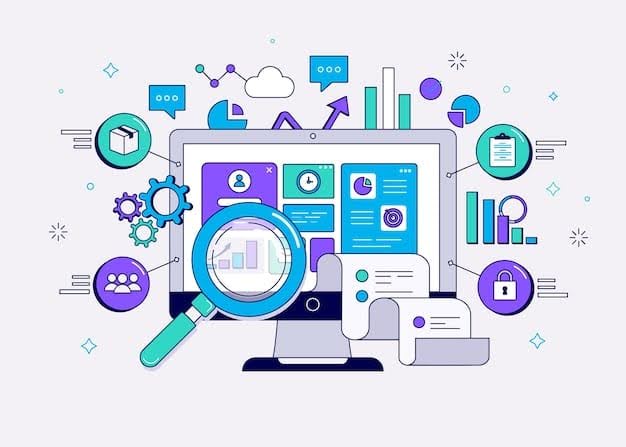
Integrate online and offline resources seamlessly. For example, use online platforms for pre-training assessments, and then use in-person sessions to address specific challenges identified through those assessments.

4. Instructor Training
Instructors should be proficient in both online and offline teaching methods. Training them to effectively manage the blended learning environment ensures a cohesive and impactful learning experience. Monitoring and Evaluation: Implement a system for monitoring participant progress in both online and offline components. This allows for ongoing assessment and adjustments to the training program as needed.